All Categories
Featured
Table of Contents
- – Oversight of Debt Management in 2026
- – Specific Protections for Debt Forgiveness Users
- – State and Local Regulations in Regional Markets
- – Performance-Based Fee Limits and Transparency
- – Identifying Predatory Tactics in 2026
- – The Right to Dispute and Errors in Debt Reporting
- – The Long-Term Impact of Relief Decisions

Oversight of Debt Management in 2026
Consumer debt levels reached new heights as 2026 began, prompting a shift in how relief programs operate. Households are navigating a complex array of financial pressures, from high-interest revolving credit to the residual effects of previous economic shifts. Regulatory bodies have responded by tightening the rules governing debt settlement and consolidation services. These changes aim to prevent predatory practices that often target individuals already struggling with their monthly obligations.
Expert analysis suggests that 2026 represents a turning point for transparency. New federal guidelines now require providers to offer clear, side-by-side comparisons of different relief paths. This means a person looking at Debt Forgiveness must receive a plain-language summary of how the program affects their credit score versus other options like bankruptcy or simple consolidation loans. The goal is to ensure that no one signs a contract without understanding the long-term impact on their financial health.
Reliable methods for Loan Documents provide a foundation for those seeking to regain control of their budgets. These programs must now adhere to strict performance-based fee structures. Under 2026 laws, relief agencies cannot collect upfront fees before they have successfully negotiated or reduced a debt. This shift protects consumers from paying for results that may never materialize, a common issue in previous years.
Specific Protections for Debt Forgiveness Users
The mechanics of Debt Forgiveness have evolved to meet 2026 compliance standards. Providers are now mandated to use secure digital portals that track every interaction between the agency, the consumer, and the creditor. This digital paper trail is essential for resolving disputes and proving that the agency is acting in the client's best interest. If an agency fails to meet its promised timelines or settlement targets, these logs serve as evidence in consumer protection filings.
Firms offering Debt Forgiveness must also provide a mandatory three-day cooling-off period. This allows individuals in the local community to review the terms of their agreement and withdraw without penalty. Financial experts recommend using this window to consult with an independent counselor or legal professional. This pause helps prevent the high-pressure sales tactics that once characterized the industry.
Previous Relief Enrollment Form usually involves direct negotiation with creditors to lower interest rates or eliminate penalties. In 2026, creditors are more willing to participate in these programs because of the standardized communication protocols established by the Consumer Financial Protection Bureau. These protocols ensure that all parties have access to the same information, reducing the friction that often stalls debt relief efforts.

State and Local Regulations in Regional Markets
While federal law sets the floor for consumer protection, many states have introduced additional safeguards. In the local area, residents might find that local statutes limit the total percentage of a debt that an agency can take as a fee, even if they successfully settle the account. These localized rules are designed to prevent the "fee-stacking" that can leave consumers with little actual savings after the program ends.

Regulatory bodies in the local region have also increased their auditing frequency for relief firms. 2026 has seen a rise in "secret shopper" audits where regulators pose as consumers to test whether firms are disclosing risks accurately. These audits often reveal whether agencies are glossing over the potential for legal action from creditors during the settlement process.
Those pursuing Loan Approval for Borrowers must confirm the agency is bonded and licensed to operate within their specific jurisdiction. This verification is a critical step in avoiding "fly-by-night" operations that set up digital storefronts without proper authorization. Checking with the local attorney general's office remains one of the most effective ways to verify the standing of a relief provider.
Performance-Based Fee Limits and Transparency
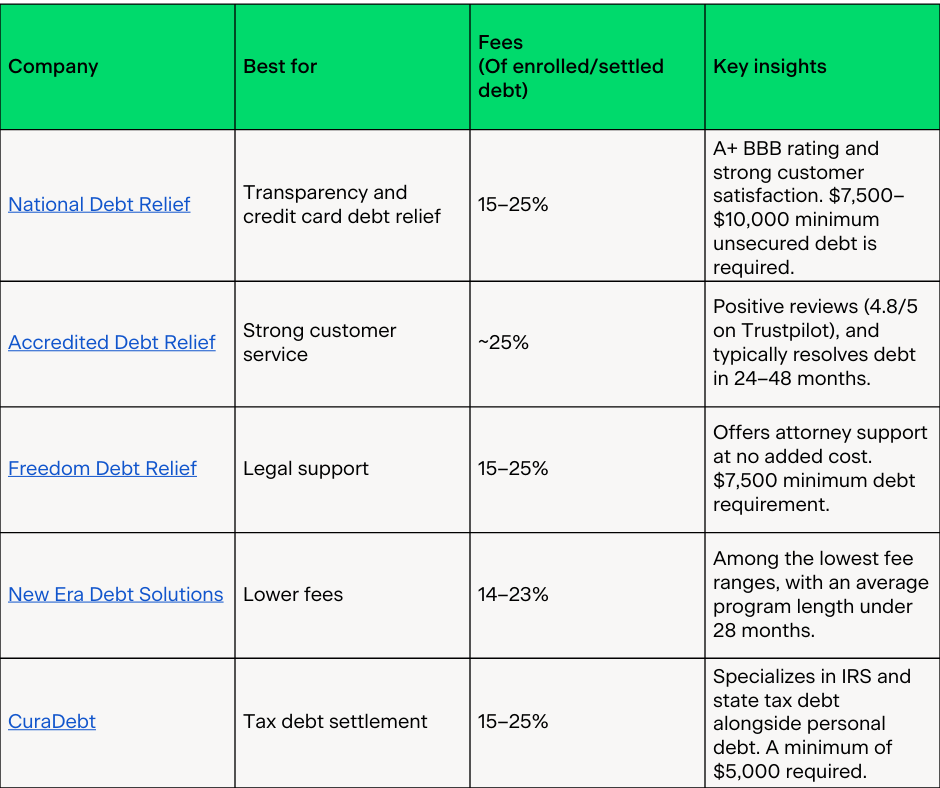
The most significant change in 2026 is the hard cap on contingency fees. Most relief programs now operate on a model where they only earn their fee once a debt is officially settled or paid off. This aligns the incentives of the service provider with those of the consumer. If the provider cannot reach an agreement with a creditor, the consumer remains in possession of their funds, rather than losing money to administrative costs.
Monthly maintenance fees, once a staple of the industry, have largely been phased out under 2026 regulations. Any remaining recurring costs must be clearly tied to specific services, such as credit monitoring or financial education workshops. Analysts note that these changes have forced many lower-quality providers out of the market, leaving behind a more professionalized group of firms that focus on long-term outcomes rather than quick commissions.
The requirement for "Total Cost of Relief" disclosures has changed how people shop for these services. Before 2026, many ads focused solely on the "percentage of debt saved." Now, agencies must show the total out-of-pocket cost, including all potential fees and the estimated tax implications of forgiven debt. Forgiven debt is often considered taxable income, and failing to account for this can lead to a surprise bill from the IRS.
Identifying Predatory Tactics in 2026
Despite increased oversight, some entities continue to use deceptive marketing. Consumers should be wary of any program that promises "guaranteed" results or claims to have a "special relationship" with specific creditors. In the reality of 2026 debt management, no agency can force a creditor to accept a settlement. Every negotiation is subject to the creditor's internal policies and the consumer's specific financial situation.
Watch for firms that encourage participants to stop all communication with their creditors without explaining the risks. While halting direct contact is a common part of settlement strategies, it can lead to lawsuits or wage garnishment if not managed correctly. A legitimate provider will explain these risks upfront and have a plan in place for handling legal summons if they occur.
Automated robocalls and aggressive social media ads are often red flags. Genuine relief professionals rarely use these methods to find clients. Instead, they rely on referrals, established partnerships, and educational content. If a company reaches out with a "pre-approved" debt forgiveness offer that seems too good to be true, it likely is. The 2026 regulatory environment has made it easier to report these interactions to the Federal Trade Commission, which maintains an active database of fraudulent schemes.
The Right to Dispute and Errors in Debt Reporting
Credit reporting accuracy is another area where 2026 protections have strengthened. When a debt is settled through Debt Forgiveness, the creditor is required to report the account as "settled in full" or "paid as agreed" within 30 days of the final payment. Consumers have the right to challenge any inaccuracies through a simplified online dispute process.
Credit bureaus are now held to higher standards for verifying the information they receive from debt buyers. In 2026, if a debt collector cannot produce the original contract or evidence of the debt within a specific timeframe, the bureau must remove the item from the consumer's report. This prevents the "zombie debt" phenomenon where old, unverified debts reappear years after they were resolved.
Debt relief participants should regularly monitor their reports during and after their program. Most reputable Debt Forgiveness providers now include credit monitoring as part of their package, allowing clients to see how their progress is being reflected in their scores. This visibility is vital for individuals who plan to apply for mortgages or auto loans once they have completed their relief program.
The Long-Term Impact of Relief Decisions
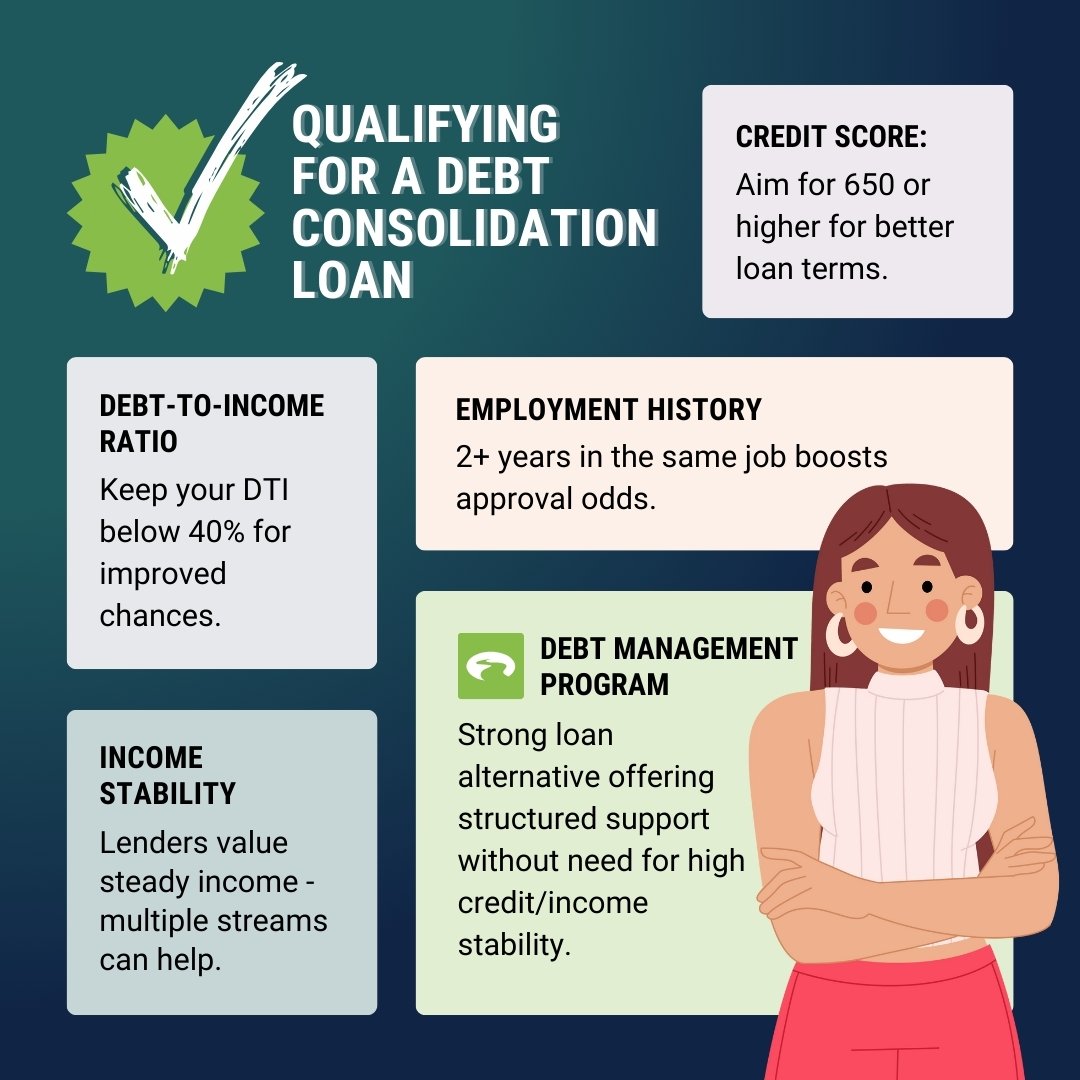
Choosing a path for debt management in 2026 requires a realistic look at one's five-year financial plan. While settlement can provide immediate relief from overwhelming payments, the impact on credit can last for several years. For some, a consolidation loan that keeps the credit score intact is a better option, even if the monthly payment is slightly higher. For others, the total debt is so high that only a structured settlement or bankruptcy can provide a fresh start.
Educational requirements have also become part of the relief process. Many programs now mandate that participants complete a financial literacy course. These courses cover budgeting, the proper use of credit, and how to build an emergency fund. The goal is to break the cycle of over-leverage so that the consumer does not find themselves in the same position a few years down the line.
The 2026 financial environment is one of increased accountability. Providers are under the microscope, and consumers have more tools than ever to protect their interests. By understanding the new fee structures, disclosure requirements, and local protections in the local market, households can make informed decisions that lead to genuine financial stability. Debt relief is not a magic fix, but with the current protections, it is a much safer and more predictable process than it was in previous years.

Table of Contents
- – Oversight of Debt Management in 2026
- – Specific Protections for Debt Forgiveness Users
- – State and Local Regulations in Regional Markets
- – Performance-Based Fee Limits and Transparency
- – Identifying Predatory Tactics in 2026
- – The Right to Dispute and Errors in Debt Reporting
- – The Long-Term Impact of Relief Decisions
Latest Posts
Effective Strategies to Manage Debt
Strategic Tips for Consolidating High-Interest Debt
Proven Ways to Reduce 2026 Credit Card Debt
Latest Posts
Effective Strategies to Manage Debt
Strategic Tips for Consolidating High-Interest Debt
Proven Ways to Reduce 2026 Credit Card Debt